
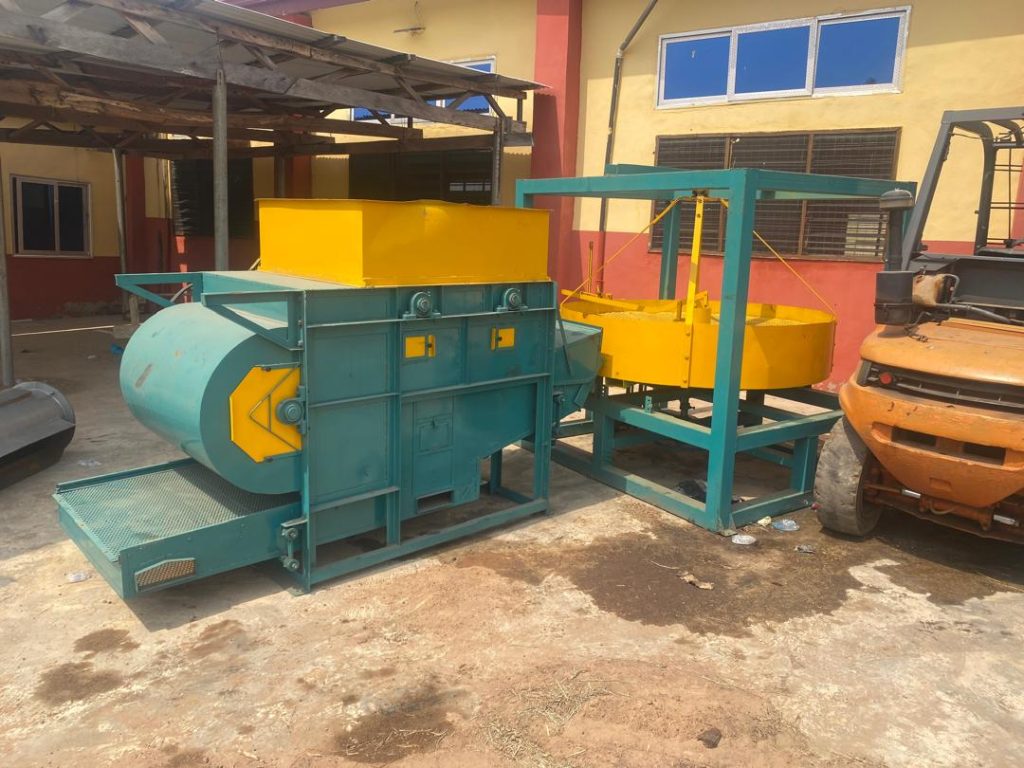
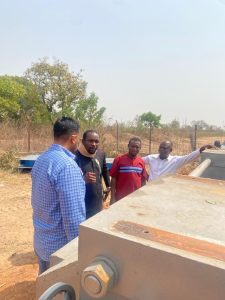
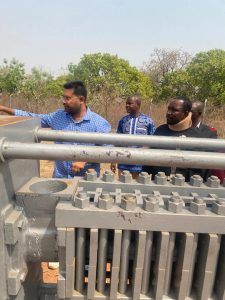
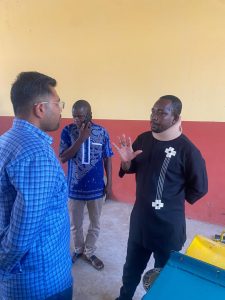
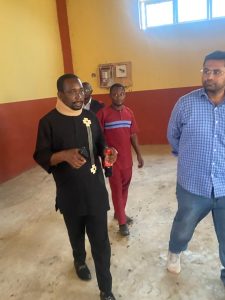
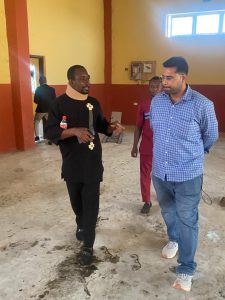
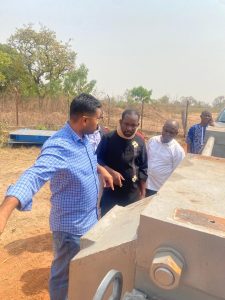
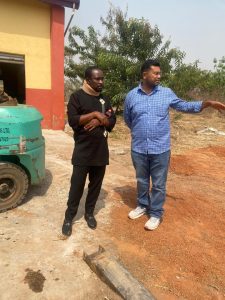
In a strong demonstration of proactive leadership and commitment to grassroots development, the District Chief Executive for Bole, Hon. Abdulai Mahmud, on Tuesday led an inspection tour of the ongoing machine installation works at the Bole One District One Factory (1D1F) site — marking another major milestone in the district’s industrialization drive.
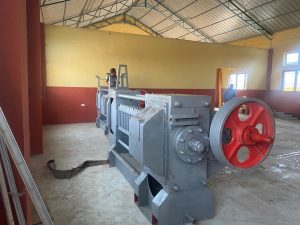
The visit forms part of Hon. Mahmud’s broader development agenda to accelerate economic growth, empower local farmers, and create sustainable jobs for the youth of Bole. The factory, a flagship project under the Government of Ghana’s transformational 1D1F program, is being equipped by WAATCO Ghana Limited (West Africa Agro-Tech Company) with modern, state-of-the-art processing machinery.
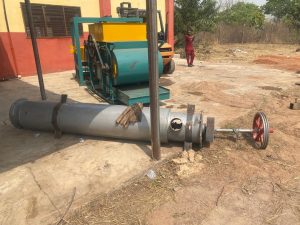
Technicians are currently installing advanced extraction, refining, packaging, and support systems in preparation for full-scale operations.
The Bole 1D1F facility is strategically positioned to process locally grown groundnuts into high-quality groundnut oil, with plans for additional value-added products in the future. This project directly supports President Akufo-Addo’s vision of shifting Ghana from a raw-material economy to a manufacturing-led one while unlocking the agricultural potential of the Savannah Region.
Speaking during the inspection, Hon. Abdulai Mahmud expressed satisfaction with the pace of work and reaffirmed his administration’s unwavering commitment to ensuring the factory becomes operational in record time.
“Today’s progress reflects our resolve to bring real development to Bole. This factory will empower our farmers, create jobs for our youth, and strengthen our local economy. It is not just a building — it is a symbol of opportunity, dignity, and prosperity for our people,” he stated.
He emphasized that the project will significantly reduce post-harvest losses, boost farmer incomes, and contribute to import substitution by producing edible oil locally. Once operational, the factory is also expected to tap into the government’s 24-Hour Economy initiative, expanding market access for farmers and stimulating continuous production.
WAATCO Ghana officials confirmed that installations are proceeding smoothly, noting that the facility is being developed to meet international quality and safety standards. The company praised the DCE’s leadership and the strong collaboration with local stakeholders, describing Bole as a model district for effective public-private partnership.
Under Hon. Abdulai Mahmud’s stewardship, Bole District continues to record tangible development gains, with the 1D1F factory standing as a flagship achievement in his administration’s quest for economic transformation.
As he concluded the tour, the DCE called on traditional leaders, farmers, youth groups, and the wider community to rally behind the project to ensure its successful completion and sustainability.
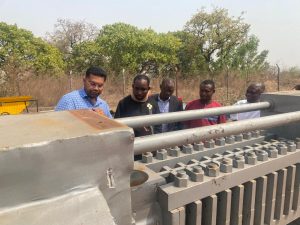
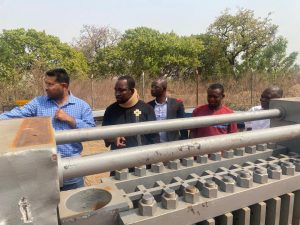
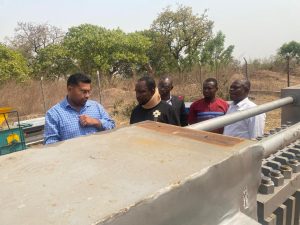
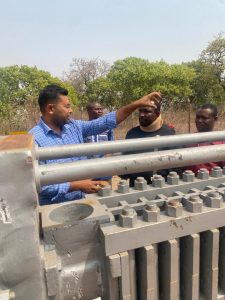
The Bole 1D1F factory represents more than infrastructure — it embodies a bold political commitment to inclusive growth, local empowerment, and a better future for every resident of the district.
A Better Bole District for All.
Hon. Abdulai Mahmud—Leadership in Action.