
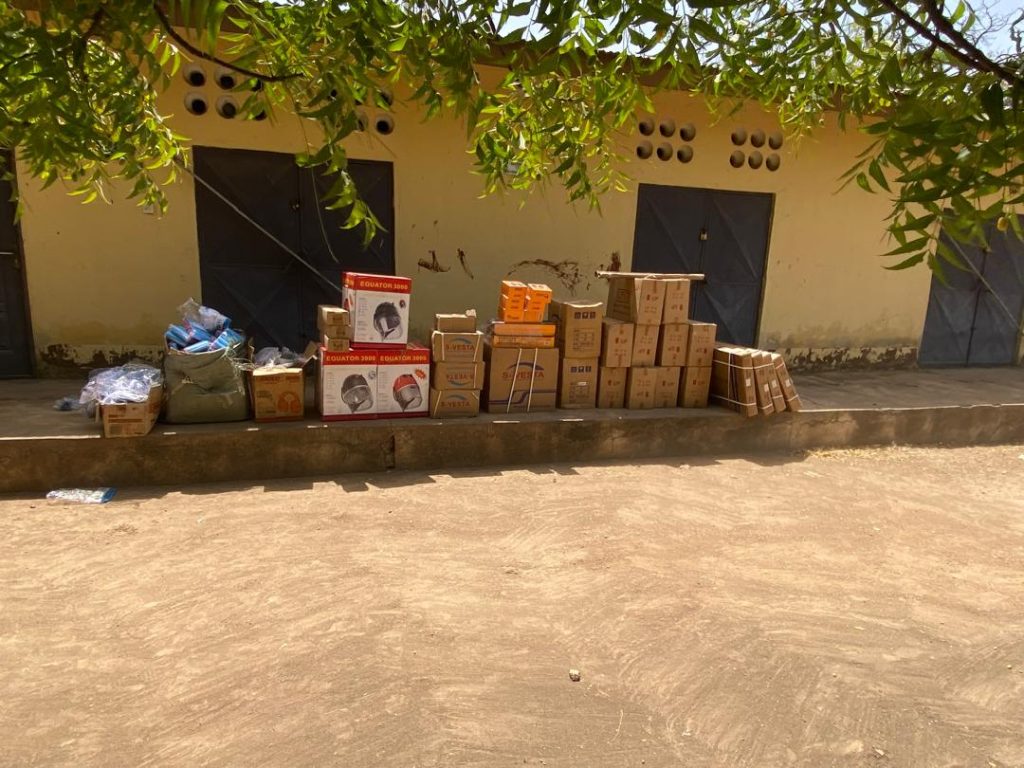
The premises of the Bole District Assembly came alive with colour and optimism as master craftsmen and women from across the district received essential tools and equipment to strengthen the training of apprentices assigned to their workshops.
The distribution forms part of the Government’s flagship National Apprenticeship Programme (NAP), implemented by the National Youth Authority (NYA). The initiative is designed to bridge the skills gap, tackle youth unemployment, and equip young Ghanaians with practical, industry-relevant vocational skills.
The ceremony was led by Hon. Abdulai Mahmud, District Chief Executive for Bole, and Hon. Alhaji Yusif Sulemana, Member of Parliament for the Bole-Bamboi Constituency. They were joined by the Savannah Regional Coordinator of the Programme, the Deputy Chief Executive Officer of the NYA, and other senior officials who appended their signatures to the official handover documents.
The distributed tools—tailored to trades including tailoring, carpentry, welding, hairdressing, masonry, and beauty services—address a longstanding challenge faced by many master artisans: inadequate or outdated equipment that limits the scope and quality of hands-on training. By upgrading workshop capacity, the programme directly enhances the practical learning environment for apprentices.
Addressing the gathering, Hon. Abdulai Mahmud described the intervention as a transformative investment in the district’s human capital.
“This distribution is more than the presentation of tools; it is empowerment in action. By equipping our master craftsmen and women, we are ensuring that apprentices receive high-quality, practical training that prepares them for sustainable employment or entrepreneurship. This aligns with our broader vision of building a prosperous and self-reliant Bole District.”
Hon. Alhaji Yusif Sulemana emphasised that the initiative reflects a firm commitment to youth employment and skills development.
“We pledged to create tangible opportunities for our young people, and today that pledge is being fulfilled. These tools will enable our master artisans to train more apprentices effectively, producing skilled professionals who will contribute meaningfully to our local economy and national development.”
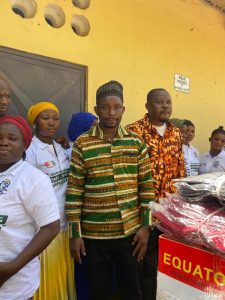
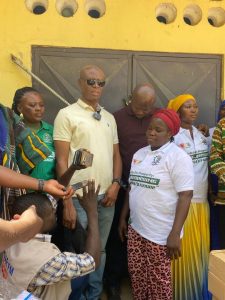

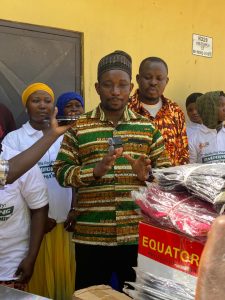



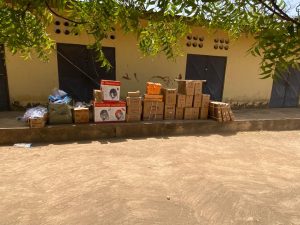
The Regional NAP Coordinator explained that each master craftsperson has been assigned a specified number of apprentices, and the supplied equipment will support the programme’s structured training model, which emphasises 70% on-the-job learning. Upon completion, apprentices will receive nationally recognised certification, positioning them for formal employment or to establish their own enterprises.
Beneficiary artisans expressed profound appreciation, noting that the new equipment would immediately improve training standards, expand their capacity to accept more apprentices, and elevate the quality of services delivered in their respective trades.
The National Apprenticeship Programme—an important youth empowerment policy initiative under President John Dramani Mahama—continues to gain momentum as a sustainable, long-term strategy for skills development and economic self-reliance, moving beyond short-term interventions toward lasting impact.